
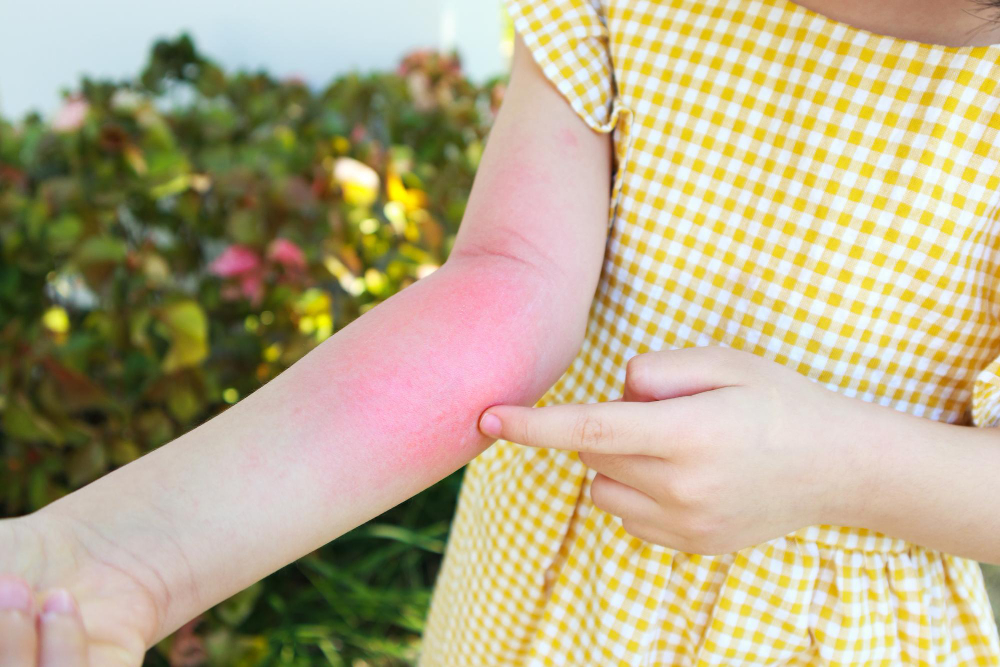
Introduction to Childhood Skin Allergy
Childhood skin allergy is a common problem among kids. Many children develop itchy, red, or bumpy skin due to allergies. In fact, skin allergy in children affects millions worldwide. Because young skin is sensitive, it reacts easily to triggers. Early care can help prevent discomfort and future problems. Understanding the signs and causes is important for every parent.
Common Symptoms of Childhood Skin Allergy
Skin allergies in children can look different from child to child. However, some symptoms are seen often. For example, you may notice:
Sometimes, these symptoms come and go. But if they last or get worse, it is important to seek help.
Main Causes and Risk Factors
Many things can cause a childhood skin allergy. Often, the immune system reacts to harmless things. As a result, the skin becomes inflamed. Common causes include:
Additionally, some children have a higher risk. For instance, kids with asthma or hay fever may get skin allergies more often. Family history also plays a role.
Diagnosis Methods
Doctors use several ways to diagnose skin allergy in children. First, they ask about symptoms and family history. Next, they check the skin closely. Sometimes, they may suggest tests, such as:
Because some rashes look alike, a doctor’s exam is important for the right diagnosis.
Treatment Options for Kids’ Skin Allergies
Treatment for kids’ skin allergies depends on the cause and severity. Often, doctors suggest:
For severe cases, a doctor may prescribe stronger medicines. However, most mild allergies improve with simple care at home.
Lifestyle Guidance for Parents and Caregivers
Managing a child’s skin allergy can feel challenging. Still, some daily habits can help. For example:
Moreover, keeping a diary of symptoms and triggers can help you and your doctor spot patterns.
Prevention Tips to Reduce Risk
While not all skin allergies can be prevented, some steps lower the risk. For instance:
In some areas, pollen or pollution may increase allergy risk. Therefore, check local air quality and keep windows closed during high pollen days.
When to Consult a Pediatrician
Sometimes, skin allergies need medical care. You should call your child’s doctor if:
Early treatment can prevent problems and help your child feel better.
Conclusion
In summary, childhood skin allergy is common but manageable. With the right care and attention, most children recover well. If you notice symptoms or have concerns, consult Dr. D.S.Batth for personalized advice on childhood skin allergies.
Sources: Centers for Disease Control and Prevention (CDC), World Health Organization (WHO), American Academy of Pediatrics