
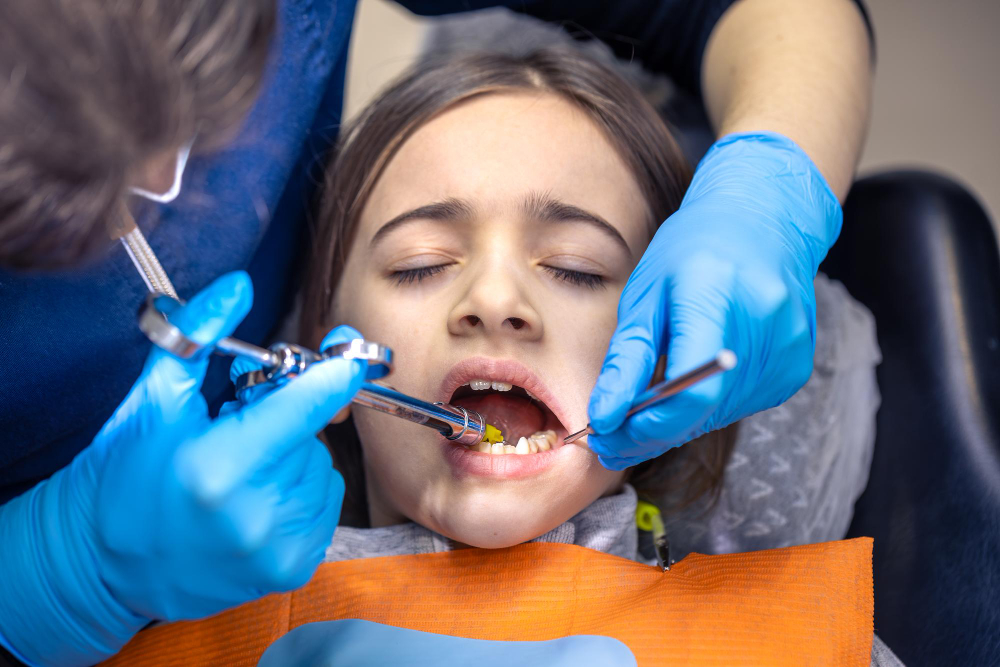
Tooth decay in children is a common problem that can affect kids of all ages. Because early signs of tooth decay in kids are often easy to miss, parents and caregivers need to know what to watch for. In fact, children’s dental health plays a big role in their overall well-being. When you spot tooth decay early, you can help prevent pain and bigger dental problems later. This guide will help you learn how to spot tooth decay early and keep your child’s smile healthy.
What Is Tooth Decay in Children?
Tooth decay in children happens when the hard surface of a tooth breaks down. Usually, this is caused by bacteria in the mouth. These bacteria feed on sugars from food and drinks. As a result, they make acids that slowly damage the teeth. Over time, these acids create holes called cavities. Even baby teeth can get cavities, so it is important to care for them. According to the CDC, tooth decay is one of the most common chronic diseases in children.
Why Are Children at Risk for Tooth Decay?
Children are at higher risk for tooth decay for several reasons. First, their teeth are still growing and are softer than adult teeth. Because of this, acids can damage them more easily. Also, many kids eat sugary snacks and drinks. If they do not brush and floss well, bacteria can grow quickly. In addition, young children may not have good brushing habits yet. For families in busy cities, finding a children’s dentist in your area can help keep your child’s teeth healthy.
Early Signs of Tooth Decay Parents Should Watch For
It is important to spot tooth decay early. When you know the signs, you can act fast. Watch for these early signs of tooth decay in kids:
Sometimes, children may not say they have pain. Therefore, parents should check their child’s teeth often. If you notice any of these signs, it is best to see a dentist soon.
Causes and Risk Factors of Tooth Decay in Children
Many things can cause tooth decay in children. However, some kids are at higher risk than others. Here are common causes and risk factors:
Because these risks add up, it is important to build healthy habits early. For example, switching from juice to water can help lower the risk.
How Tooth Decay Is Diagnosed in Children
Early diagnosis is key to preventing cavities in children. Dentists check for tooth decay during regular dental visits. They look for spots, holes, or changes in the teeth. Sometimes, dentists use special lights or X-rays to see hidden decay. If you notice any early signs of tooth decay in kids, make an appointment with a children’s dentist in your city. Early treatment can stop the decay from getting worse.
Treatment Options for Tooth Decay in Children
Treatment depends on how much the tooth is damaged. For very early decay, dentists may use fluoride treatments to help the tooth heal. If there is a small cavity, the dentist will clean out the decay and fill the hole. In some cases, a crown may be needed to protect the tooth. If the decay is very deep, the tooth might need to be removed. Because each child is different, the dentist will choose the best treatment for your child’s dental health.
Tips for Preventing Tooth Decay in Children
Preventing cavities in children is possible with a few simple steps. Here are some tips:
Because prevention is easier than treatment, these habits can save your child from pain and dental visits later.
Healthy Habits for Children’s Oral Health
Good habits start early. For example, you can make brushing fun by using a timer or a favorite song. Teach your child to spit out toothpaste, not swallow it. Encourage healthy snacks like fruits and cheese instead of candy. In addition, remind your child to drink water after meals. Finally, set a good example by brushing and flossing your own teeth every day. When families work together, children’s oral health improves and tooth decay becomes less common.