
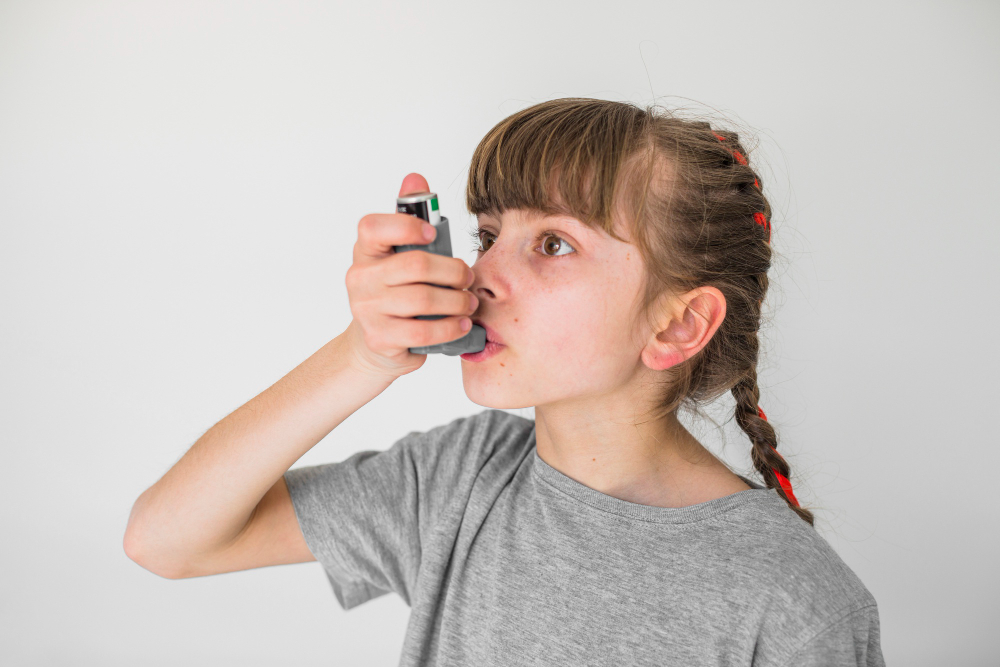
What Are Asthma Flare-ups in Children?
Asthma flare-ups in children happen when their airways become swollen and tight. This makes it hard for them to breathe. Often, these flare-ups are called asthma attacks. Children may cough, wheeze, or feel short of breath. Sometimes, these episodes can be mild. However, they can also be serious and need quick care. According to the CDC, asthma is a common long-term illness in kids. Because of this, it is important for parents to know the signs and how to help. Managing asthma in kids can lower the risk of flare-ups and keep them healthy.
Common Symptoms of Asthma Flare-ups
During an asthma flare-up, children may show different signs. Early detection helps prevent severe attacks. Here are some common symptoms:
Sometimes, symptoms may be mild at first. But they can get worse quickly. Therefore, it is important to watch for these signs and act early.
Causes and Triggers
Many things can cause or trigger asthma flare-ups in children. Knowing these triggers helps in preventing asthma flare-ups in children. Common causes and triggers include:
Each child may have different triggers. So, keeping a diary can help parents spot patterns and avoid common causes.
How Asthma Flare-ups Are Diagnosed
Doctors use several steps to diagnose asthma flare-ups in children. First, they ask about the child’s symptoms and medical history. Next, they may do a physical exam. Sometimes, doctors use breathing tests to check lung function. For young children, these tests may be hard. In such cases, doctors rely on symptoms and family history. According to the WHO, early diagnosis helps in managing asthma in kids and prevents severe attacks. If you notice frequent symptoms, it is best to see a doctor soon.
Treatment Options for Children
Treating childhood asthma attacks often involves medicine and lifestyle changes. Here are common treatment options:
Doctors may adjust treatment based on how often symptoms occur. Always follow the doctor’s advice. Never change or stop medicine without talking to your child’s doctor.
Prevention Tips for Parents
Preventing asthma flare-ups in children is possible with a few simple steps. Here are some tips for parents:
By following these tips, you can help reduce the risk of childhood asthma attacks. Also, teach your child to tell you if they feel unwell.
Lifestyle Guidance and Home Care
“Good home care can make a big difference in managing asthma in kids. Here are some helpful steps:
With these steps, children can lead healthy, active lives. However, always be ready to act if symptoms get worse.
Consult a pediatrician at Sehat Hospitals for personalized asthma management advice for your child.”