
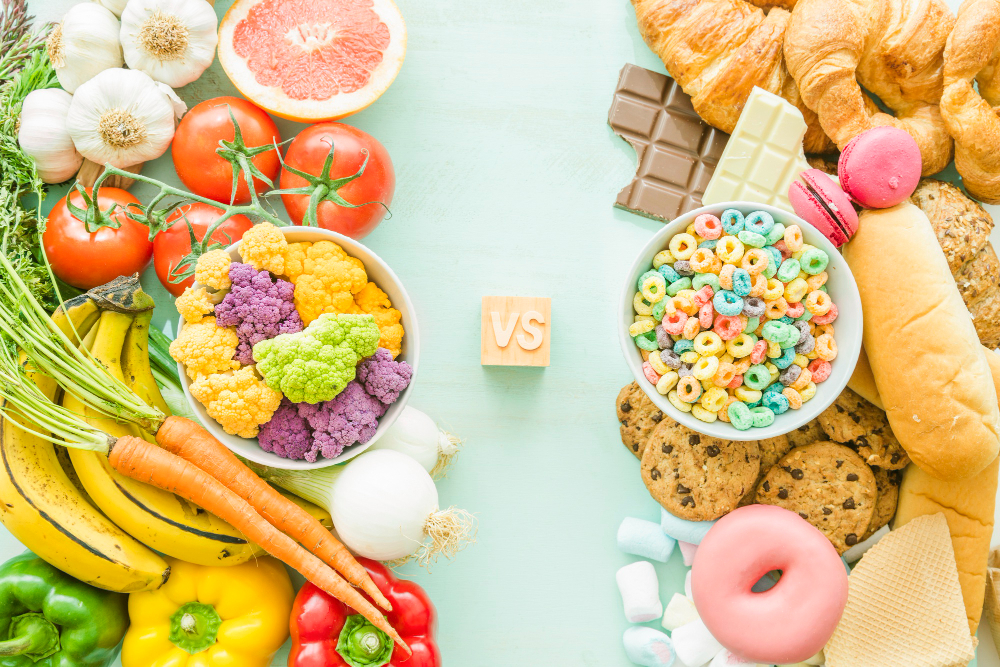
Many parents wonder about the best way to feed their children. The debate between a balanced diet vs restrictive dieting often comes up in families and schools. While both approaches focus on nutrition, they are very different. Understanding healthy pediatric nutrition can help you make safe choices for your child. In this blog, we will explore what each term means, their differences, and how they affect your child’s health.
What Is a Balanced Diet for Children?
A balanced diet for kids means eating a mix of foods from all food groups. For example, children need fruits, vegetables, grains, protein, and dairy. Each group gives important nutrients that help kids grow and stay healthy. According to the CDC, a balanced diet supports strong bones, a healthy brain, and good energy levels. In many cities, pediatric nutrition experts recommend these food groups daily:
Above all, variety is key to healthy pediatric nutrition. This way, children get all the nutrients they need.
What Is Restrictive Dieting in Pediatrics?
Restrictive dieting means limiting or cutting out certain foods or food groups. Sometimes, this is needed for medical reasons, like food allergies or celiac disease. However, many children are put on restrictive diets for weight loss or other non-medical reasons. For instance, some diets may ban carbs, fats, or even whole meals. This can make it hard for kids to get enough nutrients. As a result, restrictive dieting is not usually safe for healthy children unless a doctor says it is needed.
Key Differences Between Balanced Diet and Restrictive Dieting
It is important to know how these two approaches differ. While a balanced diet focuses on variety, restrictive dieting limits choices. Here are some key differences:
Because of these differences, most experts recommend balanced eating for children.
Health Risks of Restrictive Dieting in Children
Restrictive dieting can lead to several health problems in kids. For example, children may not get enough vitamins, minerals, or calories. This can cause:
According to the World Health Organization, children need a wide range of nutrients for healthy development. Therefore, restrictive diets should only be used when a doctor says it is necessary.
Benefits of a Balanced Diet for Kids
Eating a balanced diet has many benefits for children. For instance, it helps them grow strong and stay active. Some key benefits include:
In many areas, pediatric nutrition programs teach families how to build balanced meals. As a result, children learn to enjoy a wide variety of foods.
Tips for Encouraging Healthy Eating Habits
Helping kids eat well does not have to be hard. In fact, small changes can make a big difference. Try these tips for safe eating habits for kids:
With these steps, children can learn to enjoy healthy foods without feeling restricted.
Preventing Nutrition Problems in Childhood
Preventing nutrition problems starts with good habits at home. For example, regular meals and snacks help keep energy steady. Also, talking about food in a positive way can reduce stress. If you have concerns about your child’s diet, it is best to talk to a pediatrician or a registered dietitian. In some cities, local clinics offer help with pediatric nutrition. Early support can prevent childhood diet risks and set kids up for lifelong health.
Conclusion
If you have questions about your child’s nutrition or diet, Dr. D.S.Batth is here to help. Book a consultation today to get expert advice and support for your family’s healthy eating journey.