
What Is Childhood Asthma?
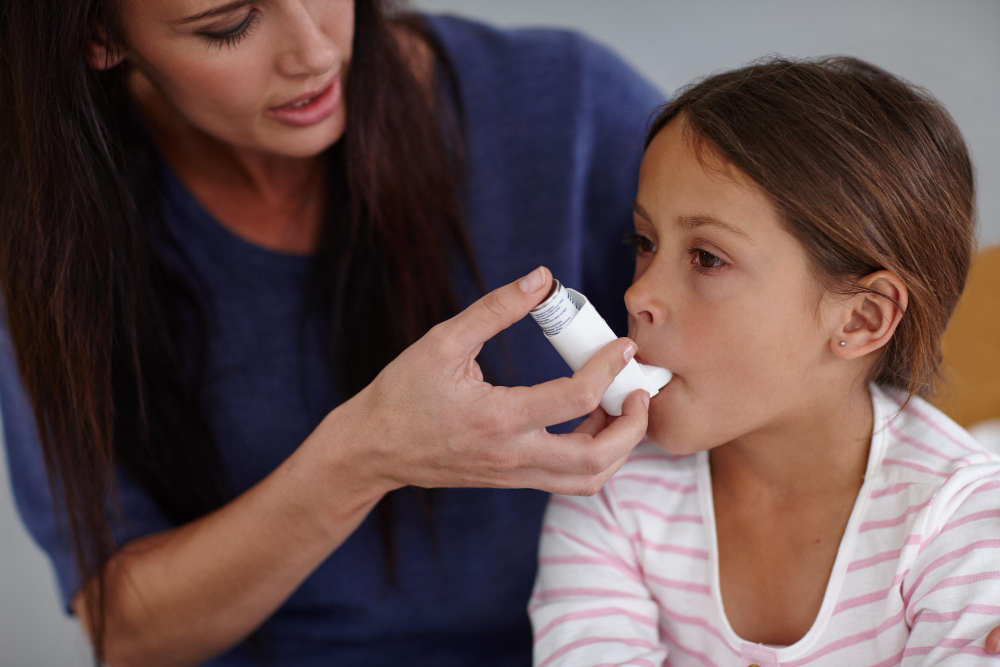
Childhood asthma is a long-term lung condition that affects many children. It causes the airways in the lungs to become swollen and narrow. As a result, it can make breathing hard. According to the CDC, asthma is one of the most common chronic diseases in children. For many families, understanding childhood asthma is the first step to keeping kids safe and healthy.
While some children may outgrow asthma, others need ongoing care. Because asthma can look different in each child, it is important for parents to know what to watch for. Early action can help prevent serious problems.
Common Triggers of Childhood Asthma
Many things can trigger asthma symptoms in children. However, not all children react to the same triggers. Knowing what can set off asthma is key to managing pediatric asthma.
Because triggers can be different for each child, parents should watch for patterns. For example, if symptoms often start after playing outside, pollen or exercise could be a trigger.
Warning Signs and Symptoms Parents Should Watch For
Recognizing asthma warning signs in children is very important. Early signs can help parents act before symptoms get worse. Although signs may be mild at first, they can quickly become serious.
Sometimes, children may not say they feel short of breath. Instead, they might avoid playing or seem more tired than normal. Because these signs can be easy to miss, parents should keep a close eye on any changes in their child’s breathing or activity.
How Childhood Asthma Is Diagnosed
Doctors use several steps to diagnose childhood asthma. First, they ask about symptoms and family history. Next, they may listen to your child’s breathing. Sometimes, they use simple breathing tests to check how well the lungs work. For younger children, doctors may watch for patterns over time. Because asthma can look like other illnesses, a careful check is important.
In some cases, doctors may suggest allergy tests. These can help find out if allergies are causing asthma symptoms. With the right diagnosis, families can start managing pediatric asthma more effectively.
Managing and Preventing Asthma Attacks in Children
Managing pediatric asthma means working to prevent asthma attacks. Parents can help by learning what triggers their child’s symptoms. After finding triggers, they can try to avoid them when possible. With a plan in place, children can stay active and healthy.
If symptoms get worse or do not improve with medicine, seek medical help right away. Because asthma can change over time, regular check-ups are important.
Lifestyle Tips for Parents of Children with Asthma
Parents can take simple steps at home to help children with asthma. For example, keeping the house clean and free of smoke can make a big difference. In addition, using air filters may help reduce allergens.
Because every child is different, parents should work with their doctor to find what works best. With the right care, most children with asthma can lead full and active lives.