
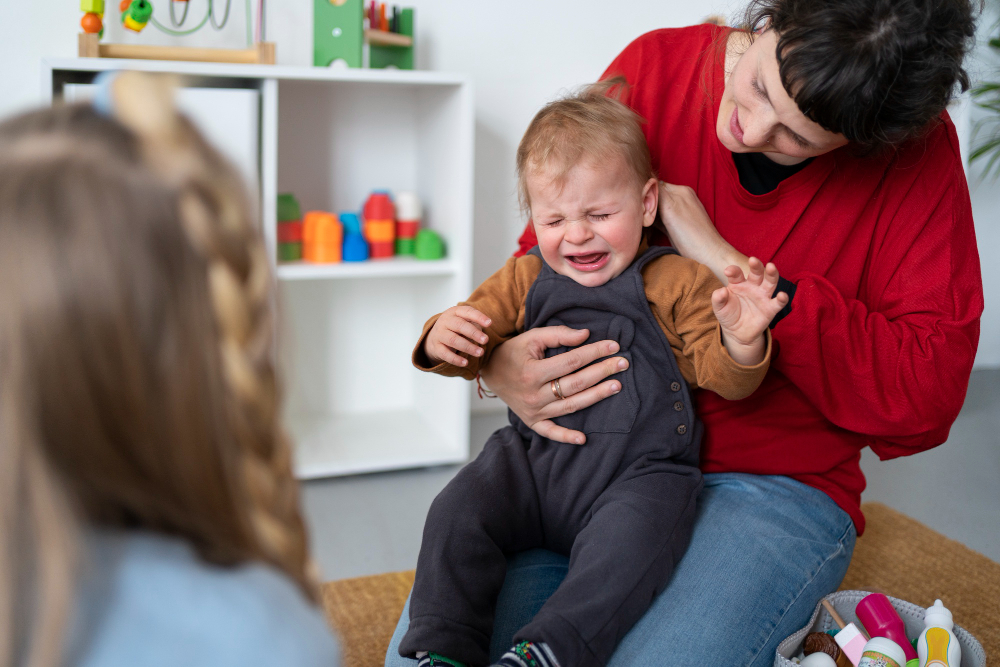
Understanding Excessive Crying in Children
Excessive crying in children can worry many parents and caregivers. While all children cry, sometimes the crying seems too much or lasts too long. In fact, excessive crying in children means crying more than what is normal for their age or situation. Often, this can signal discomfort, illness, or emotional needs. Because every child is different, it is important to know what is normal and what needs attention.
Common Symptoms and Warning Signs
Sometimes, crying is just a way for children to express hunger or tiredness. However, there are warning signs to watch for. For example, you should pay attention if your child:
Additionally, if your child’s crying changes suddenly or becomes high-pitched, it may be a sign of a serious problem.
Possible Causes of Excessive Crying
There are many reasons why a child may cry more than usual. Sometimes, the cause is simple. Other times, it may be more serious. Here are some common causes:
Non-Medical Causes
Medical Causes
Sometimes, emotional stress or anxiety can also lead to more crying. For example, starting daycare or moving to a new home can be stressful for young children.
How Doctors Diagnose Excessive Crying
Doctors use several steps to find the cause of excessive crying in children. First, they ask about your child’s health history and daily routine. Next, they perform a physical exam. Sometimes, they may order tests, such as blood tests or urine tests, to check for infections or other problems. In many cases, the doctor will look for signs of pain, illness, or injury. If needed, they may refer your child to a specialist for further evaluation.
Treatment Options and Home Care Strategies
Once the cause is found, treatment depends on the problem. For example, if your child is hungry or tired, feeding or rest may help. If a medical issue is found, your doctor will suggest the right treatment. At home, you can try these strategies:
Additionally, keeping a diary of your child’s crying can help your doctor find patterns or triggers.
When to Seek Medical Help
While most crying is not dangerous, sometimes it signals a serious problem. You should call your doctor if your child:
In these cases, quick medical care is important. According to the CDC and WHO, early action can prevent serious health problems.
Prevention Tips and Lifestyle Guidance
Although you cannot prevent all crying, some steps can help reduce it. For instance, you can:
Moreover, taking care of your own stress can help you stay calm when your child cries. Support groups and local parenting resources can also offer help.
Conclusion
In summary, excessive crying in children can have many causes. While most cases are not serious, some need quick attention. Always watch for warning signs and trust your instincts. If you are worried, consult pediatrician Dr. D.S.Batth for personalized advice regarding your child’s excessive crying.