
What Are Growing Pains?
Many parents worry when their child complains of leg pain. Often, the cause is growing pains. Growing pains vs joint problems can be confusing, but knowing the difference is important. Growing pains are common in children, especially between ages 3 and 12. According to the American Academy of Pediatrics, these pains are not linked to growth of bones. Instead, they may be due to muscle use during play or activity.
Usually, growing pains happen in both legs. They tend to show up in the evening or at night. For most kids, these pains do not cause lasting harm. However, it is key to watch for other signs that might point to joint problems.
Common Symptoms of Growing Pains
Growing pains have a few clear signs. For example, they often:
Additionally, the pain may come and go over months or years. Sometimes, gentle massage or a warm bath helps ease the discomfort.
What Are Joint Problems in Children?
On the other hand, joint problems in children are less common but can be serious. These problems may include juvenile arthritis, infections, or injuries. According to the Centers for Disease Control and Prevention (CDC), juvenile arthritis affects about 1 in 1,000 kids in the United States. Joint problems can cause pain, swelling, and trouble moving the joint.
Unlike growing pains, joint problems often affect just one joint. These issues may also last longer and get worse over time. Early treatment is important to prevent long-term damage.
How to Tell the Difference: Growing Pains vs Joint Problems
It is not always easy to know if your child has growing pains or a joint problem. However, there are some key differences. For instance:
If your child has any of these warning signs, it is best to see a doctor. Early care can help find the cause and start treatment if needed.
Causes and Risk Factors for Leg Pain in Kids
There are many child leg pain causes. For example, growing pains may be linked to active play, running, or jumping. Some children may be more sensitive to pain or have flexible joints. In contrast, joint problems may be caused by:
Additionally, family history can play a role in some joint conditions. For parents in the United States, keeping track of your child’s activities and symptoms can help your doctor find the cause.
When to See a Doctor for Leg Pain
Sometimes, leg pain in kids is mild and goes away on its own. However, you should see a doctor if your child has:
Because some joint problems need quick care, do not wait if you notice these signs. Early treatment can help prevent lasting problems.
Diagnosis: What to Expect at the Doctor’s Office
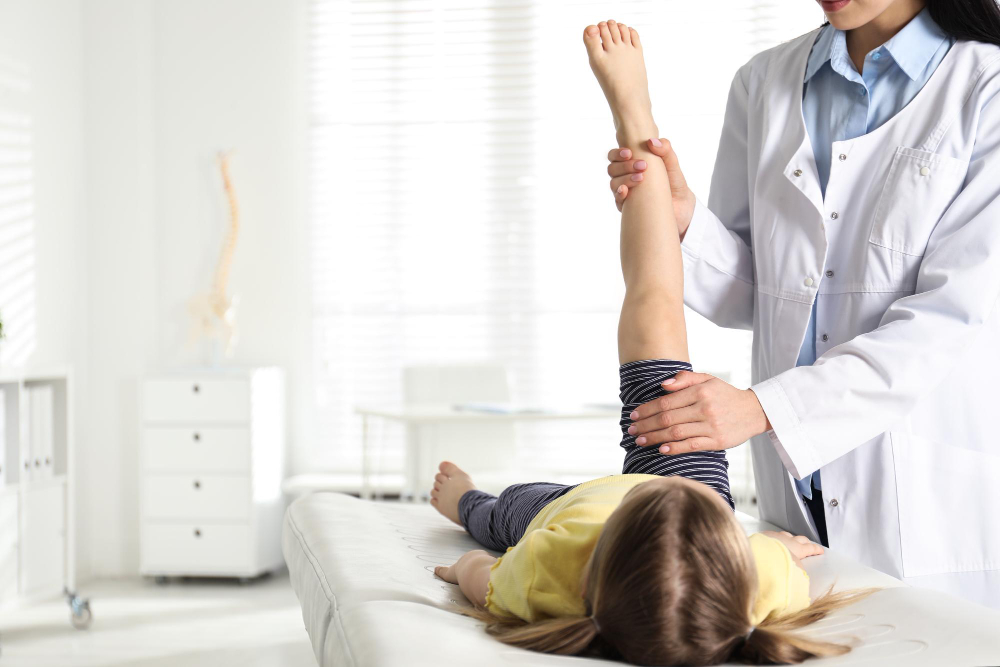
When you visit the doctor for leg pain in kids, they will ask about your child’s symptoms. For example, they may want to know when the pain started and if anything makes it better or worse. The doctor will also check your child’s legs and joints for swelling or tenderness.
Sometimes, tests are needed. These may include:
With this information, the doctor can tell if the pain is from growing pains vs joint problems or another cause.
Treatment Options for Growing Pains and Joint Problems
Treatment depends on the cause of the leg pain. For growing pains, most children do not need medicine. Instead, gentle care at home often helps. However, joint problems may need more treatment. For example:
Your doctor will choose the best plan based on your child’s needs. Early care is important for joint problems to avoid long-term damage.
Home Care and Lifestyle Tips for Parents
At home, there are simple ways to help your child with leg pain. For instance:
Additionally, tracking pain in a diary can help your doctor spot patterns. Always watch for new or worsening symptoms.
Prevention and Monitoring Leg Pain in Children
While you cannot always prevent leg pain in kids, there are steps you can take. For example, encourage safe play and use of protective gear during sports. Make sure your child gets enough rest and eats a balanced diet. Regular check-ups can help catch problems early.
If your child has had joint problems before, keep an eye on their symptoms. Because early care matters, contact your doctor if you notice any changes. For parents in the United States, local health clinics can offer advice and support as well.
Conclusion
If your child has leg pain or you are unsure about their symptoms, Dr. D.S.Batth is here to help. Book a consultation today to get expert advice and peace of mind for your family.