
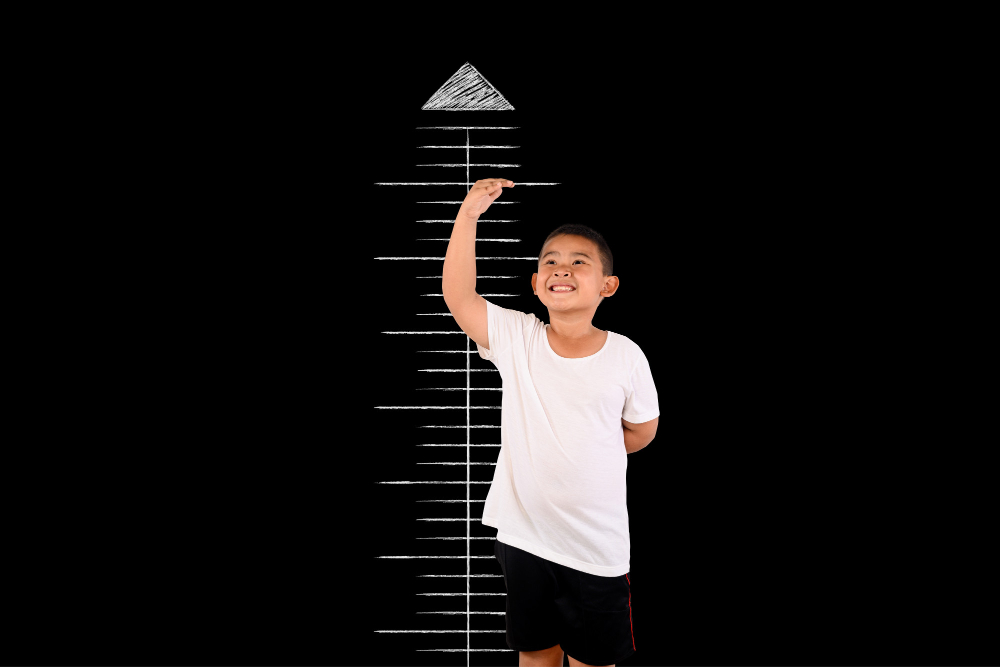
Is your child growing at the right pace? Many parents wonder if their child is reaching normal child growth patterns. Growth charts help track child growth milestones and show if your child’s height and weight are on track. With the right tools, you can better understand your child’s development and know when to ask questions.
What Are Growth Charts?
Growth charts are simple tools used by doctors to track a child’s growth over time. For example, they show how your child’s height, weight, and head size compare to other children of the same age and sex. The World Health Organization (WHO) and Centers for Disease Control and Prevention (CDC) create these charts using data from many children worldwide.
Because growth charts use percentiles, you can see if your child is smaller, bigger, or about average for their age.
Why Are Growth Charts Important?
Growth charts are important for many reasons. First, they help spot health problems early. If your child’s growth slows down or speeds up too much, it may signal a health issue. In addition, growth charts help track child growth milestones and show if your child is following a normal path.
Because every child grows at their own pace, growth charts offer a helpful guide for parents and caregivers.
How to Read a Growth Chart
Reading a growth chart may seem tricky at first. However, with a little practice, you can understand what the numbers mean. Growth charts use lines called percentiles. These lines show how your child compares to others.
For example, if your child is in the 25th percentile for height, they are taller than 25 out of 100 children of the same age and sex. Pediatric growth chart interpretation helps you and your doctor track changes over time. If your child’s percentile changes a lot, it may be time to ask questions.
Common Factors Affecting Child Growth
Many things can affect how a child grows. Sometimes, changes are normal. Other times, they may point to a health issue. Because every child is unique, it is important to look at the whole picture.
Even stress or emotional issues can sometimes change how a child grows. For this reason, regular checkups are important.
When to Be Concerned About Growth Patterns
Most children follow their own growth curve. However, some changes may need a closer look. If you notice any of these signs, talk to your child’s doctor:
Because early care can help, it is best to check with a doctor if you have concerns. Pediatric growth chart interpretation can help spot problems early.
Tips for Supporting Healthy Growth in Children
Supporting your child’s growth is easier with a few simple steps. While every child is different, these tips can help most children reach their full potential:
Because healthy habits start early, your support can make a big difference in your child’s growth and development.