
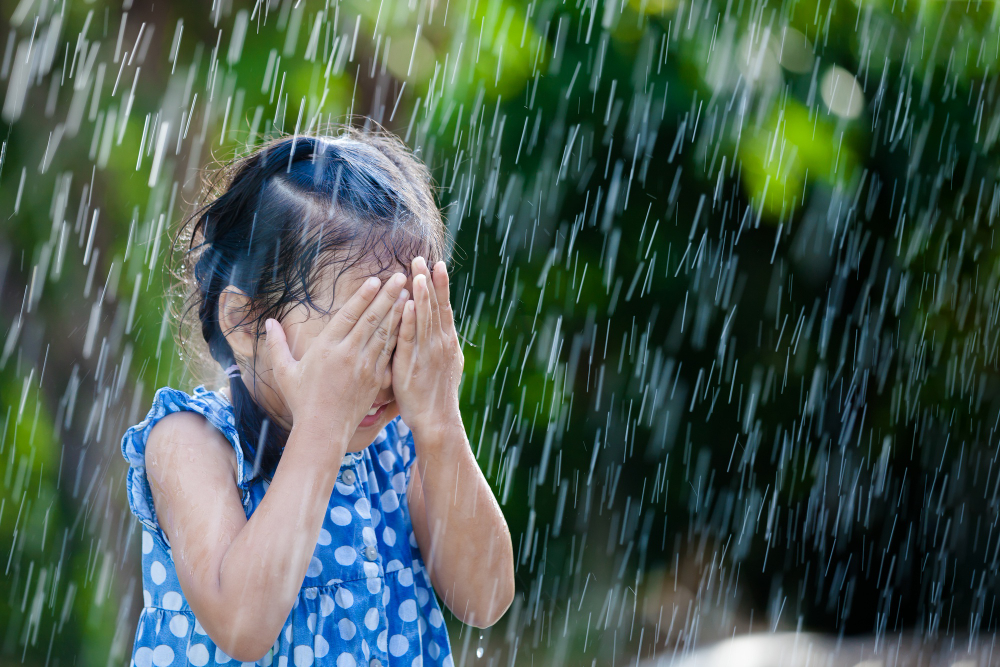
Monsoon related illness in children is a common concern for parents during the rainy season. Because heavy rains create wet and humid conditions, children become more prone to infections. These illnesses can affect your child’s health and daily life. Therefore, it is important to know the symptoms, causes, and ways to prevent monsoon diseases in kids. This guide will help you keep your child safe and healthy during the monsoon.
Common Monsoon Illnesses in Children
During the rainy season, several illnesses become more common in children. For example, water and food contamination can lead to infections. Here are some of the most frequent monsoon diseases in kids:
Symptoms to Watch For
Early detection helps in quick treatment. However, symptoms can vary depending on the illness. Watch for these signs in your child:
If your child shows any of these symptoms, it is wise to monitor them closely. Sometimes, symptoms may seem mild at first but can get worse quickly.
Causes and Risk Factors
Monsoon related illness in children often happens due to increased germs in the environment. Because rainwater can mix with sewage, it leads to water contamination. Here are some common causes and risk factors:
Moreover, crowded places and poor sanitation increase the risk of infection during the rainy season.
Diagnosis and When to See a Doctor
Early diagnosis helps in better recovery. If your child has a high fever, severe pain, or does not improve in two days, see a doctor. Doctors may suggest blood tests, urine tests, or stool tests to find the cause. Sometimes, they may check for dengue or malaria if symptoms match. Therefore, do not delay medical care if your child looks very sick or weak.
Treatment Options
Treatment depends on the illness and its severity. Most monsoon diseases in kids can be managed at home with rest and fluids. However, some cases need medicines or hospital care. Common treatment options include:
Always follow your doctor’s advice and do not give over-the-counter medicines without consulting a pediatrician.
Prevention Tips for Parents
Prevention is better than cure, especially during the monsoon. Here are some tips to help prevent monsoon related illness in children:
By following these steps, you can lower the risk of monsoon diseases in kids.
Lifestyle and Home Care Guidance
Good habits help keep children healthy during the rainy season. For example, encourage your child to eat fresh, home-cooked food. Also, make sure they drink plenty of clean water. Here are more home care tips:
Moreover, teach children about personal hygiene. This helps them stay safe even when you are not around.
When to Seek Emergency Care
Sometimes, monsoon related illness in children can become serious. Seek emergency care if your child:
Quick action can save lives. Therefore, do not wait if you notice any of these warning signs.
In summary, monsoon-related illness in children can be prevented with good hygiene and proper care. However, if your child falls sick, early treatment is very important. Consult Dr. D.S. Batth at Sehat Hospitals for expert pediatric care and personalized advice on managing and preventing monsoon-related illnesses in children.