
Introduction to the Gut-Brain Connection
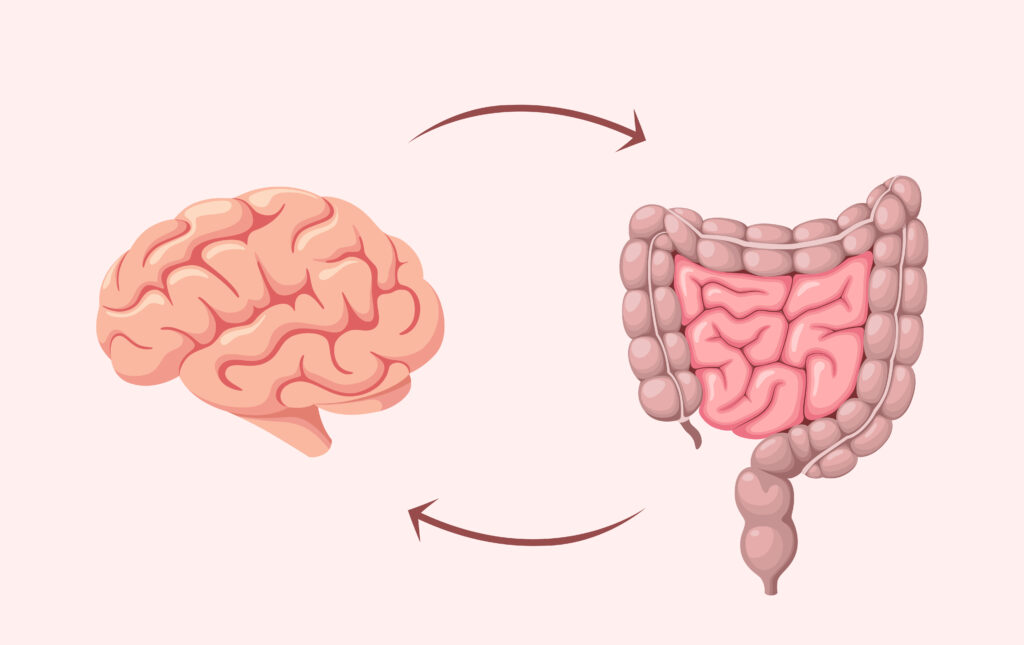
The gut-brain connection in children is a growing area of interest. This link means the gut and brain talk to each other. For children, this connection can affect mood, behavior, and health. Many parents want to know how their child’s gut health impacts their mind. In fact, research shows the gut-brain connection in children plays a key role in growth and well-being. Understanding this link can help parents support their child’s health in simple ways.
How the Gut and Brain Communicate
First, the gut and brain use nerves and chemicals to send messages. The main nerve involved is called the vagus nerve. It acts like a phone line between the gut and brain. Also, the gut makes special chemicals called neurotransmitters. These chemicals can affect mood and thinking. For example, the gut makes most of the body’s serotonin, which helps control mood.
Another important part is the child gut microbiome. This is a group of tiny living things in the gut. These bacteria help break down food and keep the gut healthy. When the microbiome is balanced, it supports both gut and brain health. However, if it is out of balance, children may have tummy troubles or changes in behavior.
Common Symptoms and Signs of Gut-Brain Imbalance in Children
Sometimes, children show signs when the gut-brain link is not working well. Parents should watch for these symptoms:
Because these signs can have many causes, it is important to look at the whole picture. If you notice several of these symptoms, consider talking to your child’s doctor.
Causes and Risk Factors
Several things can upset the gut-brain connection in children. For instance, diet plays a big role. Eating too much sugar or processed food can harm the gut microbiome. On the other hand, a diet rich in fruits, vegetables, and fiber supports gut health.
Other risk factors include:
Because every child is different, some may be more sensitive to these factors than others.
Diagnosis and When to Seek Medical Advice
If you notice ongoing symptoms, it is wise to seek medical advice. Your child’s doctor may ask about their diet, stress, and daily habits. Sometimes, the doctor may suggest tests to check for food allergies or infections. In rare cases, more tests may be needed to rule out other health problems.
Parents should contact a doctor if:
Early help can make a big difference in your child’s health and happiness.
Evidence-Based Treatment and Management Strategies
There are several ways to support the gut-brain connection in children. Many are simple and safe. For example, making small changes to your child’s diet can help. Choose foods high in fiber, like fruits, vegetables, and whole grains. These foods feed good gut bacteria.
Other helpful strategies include:
In some cases, doctors may suggest probiotic supplements. However, always talk to a pediatric specialist before starting any new supplement. According to the CDC and peer-reviewed studies, these steps can support both gut and brain health in kids.
Prevention and Healthy Habits for Children
Preventing gut-brain imbalance starts with healthy daily habits. Here are some tips for parents:
Because small changes can have a big impact, start with one or two habits and build from there.
Frequently Asked Questions (FAQs)
Can gut health affect my child’s mood?
Yes, research shows that gut health and behavior in kids are linked. A healthy gut can support better mood and focus.
What foods help the child gut microbiome?
Foods high in fiber, such as fruits, vegetables, and whole grains, help feed good gut bacteria.
Are probiotics safe for children?
Probiotics can be safe for many children. However, always check with your child’s doctor before starting any supplement.
How do I know if my child has a gut-brain imbalance?
Look for ongoing tummy troubles, mood changes, or poor focus. If you notice these, talk to your doctor.
Conclusion
In summary, the gut-brain connection in children is important for both mind and body. By watching for signs and building healthy habits, parents can support their child’s well-being. For the best advice, consult Dr. D.S.Batth for personalized guidance.